Wedding photography disaster is a scary phrase, but the good news is: it’s almost always avoidable. Most “disasters” happen for boring reasons (no backup plan, unclear contracts, shaky file storage, or a photographer who’s never proved they can handle rain and dark venues). In this guide, we’ll show you the practical checks that protect your photos, so you can book with confidence and enjoy your day knowing your memories are safe.
Quick Answer: How to avoid a wedding photography disaster
A wedding photography disaster is usually preventable. To avoid it, book a photographer who can show 2–3 full wedding galleries (including rain/low light), has a clear contract, proper insurance, and a written backup plan for illness, equipment failure, and file storage.
If they can explain those things confidently (without getting weird or vague), you’re already in safe hands.
The aim: not “perfect photos”, but protected memories and a calm, reliable team you can trust all day.
About us (and why we’re obsessed with “no disasters”)
We’re Marta May Photography – also known as The Mays (Marta + Artur), and we’ve been photographing weddings since 2012. Between us, we’ve covered 400+ weddings, full-time – which matters, because experience isn’t just about pretty portraits. It’s about staying calm when it rains, when timelines slip, when venues are dark, and when things don’t go to plan.
We’ve invested years into training and refining how we work under pressure, and we’ve been recognised for that work too (including winning TWIA in 2023 as “The Mays”, and now judging). But more importantly, we’ve built our whole process around one promise: your photos are protected – with clear planning, reliable systems, and proper backup plans.
That’s why we wrote this post: to show you the practical checks that keep your wedding memories safe, no matter what the day throws at you.


The 7 real wedding photography risks (and how to protect your photos)
1) Photographer illness or no-show
Protect yourself by checking: What happens if they’re ill? Is there a written plan in the contract? Do they have a trusted associate / replacement network?
Green flag: a clear answer, not “it’ll be fine”.
2) Camera or memory card failure
Protect yourself by checking: Do they shoot on dual card slots (instant backup)? Do they carry backup bodies/lenses/flash?
Green flag: “If one fails, we keep shooting.”
3) Losing your files (the one nobody wants to imagine)
Protect yourself by checking: How are files backed up after the wedding? Ideally it’s multiple copies, in more than one place.
Green flag: they explain their backup workflow confidently and simply.
4) “Edited” means different things to different photographers
Protect yourself by checking: What does “edited” actually mean here – colour, exposure, cropping, skin work? Do you get consistent edits across the whole gallery?
Green flag: they show full galleries so you can see consistency.

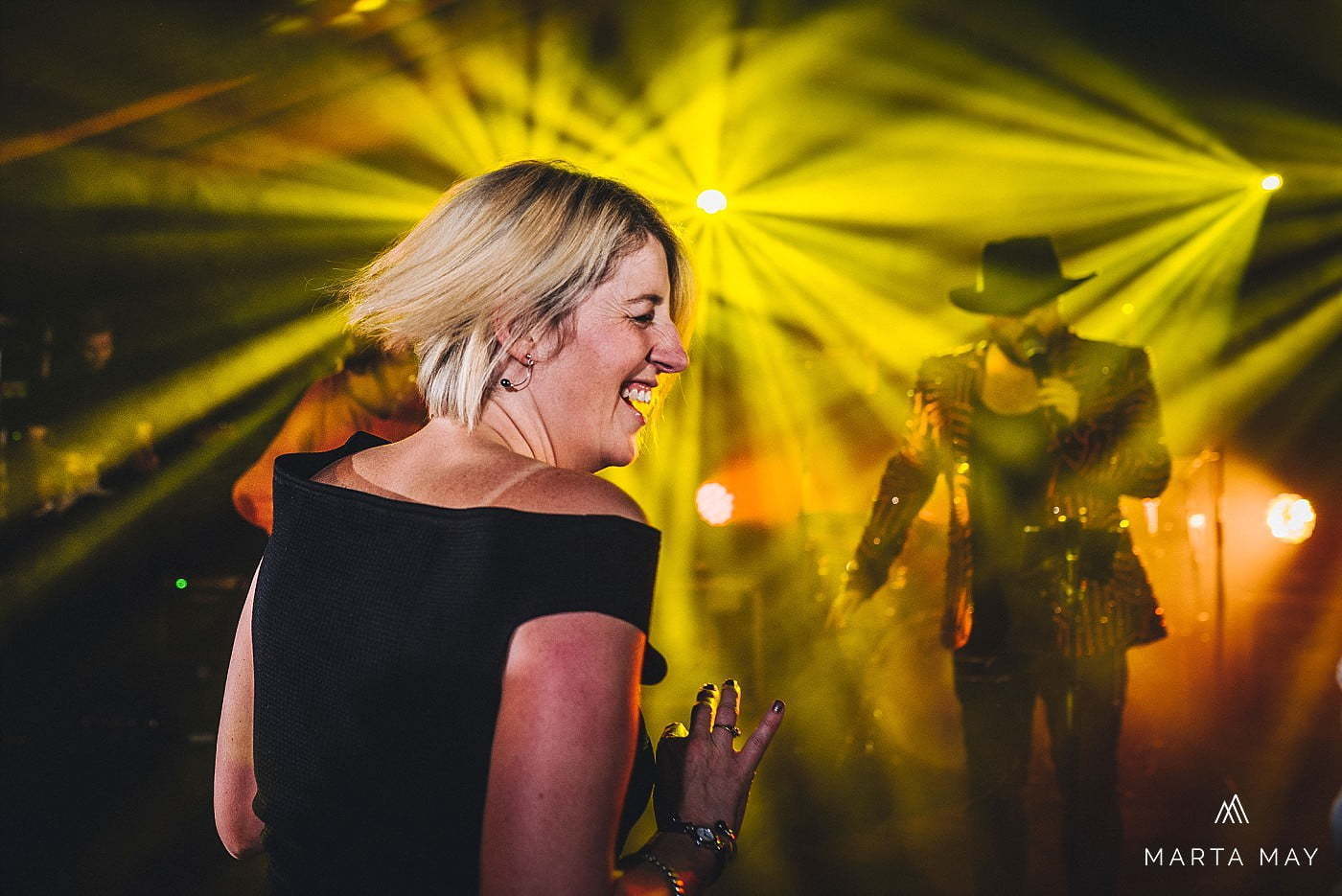
5) They’ve never proven they can handle rain, dark venues, or winter light
Protect yourself by checking: Ask for 2–3 full galleries that include tricky conditions (dark ceremony rooms, rainy portraits, evening dancing).
Green flag: you see quality stays strong even when conditions aren’t Instagram-perfect.
6) No insurance / venue requirements
Protect yourself by checking: Do they have public liability insurance (and any other cover your venue requires)?
Green flag: they can send proof quickly if needed.
7) Vague contracts and unclear rescheduling/cancellation terms
Protect yourself by checking: Is there a clear contract covering payment terms, cancellation, postponements, delivery timelines, and what you receive?
Green flag: it’s written in plain English and you’re not confused after reading it.

So you’re looking for your wedding photographer?
If you’re reading this, chances are you’ve got that little worry in the back of your mind: “What if something goes wrong?”
Totally normal, and honestly, sensible. Wedding photos aren’t something you can re-do, so it’s worth choosing a photographer who has systems, not just a pretty Instagram grid.
The goal isn’t to scare you. It’s to help you book with confidence – by checking the things that actually prevent disasters: backup plans, contracts, insurance, proven low-light/rain consistency, and safe file storage.
Because when those boxes are ticked, you can stop overthinking and get back to the fun part: planning a day that feels like you.
Copy/paste checklist: the “can you confirm…?” email
You can literally copy this into an enquiry email (and tweak it to sound like you):
Hi [Name],
We love your work and we’re considering booking you for our wedding on [date] at [venue]. Before we confirm, can you please clarify a few practical bits?
- Backup plan: What happens if you’re ill or unable to attend on the day?
- Equipment backup: Do you bring backup camera bodies/lenses/flash? Do you shoot on dual card slots?
- File safety: What’s your backup process after the wedding (how many copies, where, and for how long)?
- Insurance: Do you have public liability insurance (and can you provide proof if our venue needs it)?
- Full galleries: Can we see 2–3 full wedding galleries, including at least one in lower light and/or rain?
- Contract clarity: Do you use a written contract covering payment terms, rescheduling/cancellation, and what’s included?
- Delivery: What’s your typical turnaround time, and how will we receive the photos?
- Who shoots: Is it definitely you photographing our wedding, or an associate?
Thank you – we really appreciate it.
[Your names]
The Wedding Photography Disaster-Proof Checklist (7 things that actually matter)
If you want to avoid a wedding photography disaster, focus on the boring stuff, because boring is what keeps your photos safe.
1) A written backup plan (illness / emergencies)
Ask what happens if the photographer can’t attend. It should be in writing, not “don’t worry”.
2) Dual backup while shooting (camera + memory cards)
Ideally they shoot on cameras with dual card slots and carry backup bodies/lenses, so one failure doesn’t stop the story.
3) File safety after the wedding (the real protection)
Ask how they back up your files: how many copies, where they’re stored, and for how long.
4) A clear contract (plain English, no confusion)
The contract should cover what you receive, delivery timeframe, payment terms, cancellations, postponements/rescheduling, and liability.
5) Insurance (often required by venues)
Public liability is the minimum most venues expect. Professional indemnity is a strong bonus.
6) Proof in real conditions (not just highlights)
Ask for 2–3 full galleries, including at least one with low light and/or rain. This shows consistency when conditions are tough.
7) Who is actually photographing your wedding
Make sure it’s the person you met, not an associate you’ve never spoken to (unless you’re happy with that and it’s agreed in writing).
Mini rule: if they get vague, defensive, or dodge these questions, that’s your sign to keep looking.
“We’re Marta May Photography, also known as The Mays (Marta + Artur). We’ve photographed weddings since 2012, and we build our workflow around one thing: protecting your photos with proper backups, planning, and calm coverage.”
We’ve won recognised awards for both individual images and full wedding stories, and we’ve also been judged on something that matters most: what our couples actually think. (That’s why honours like TWIA feel meaningful, they’re rooted in real client feedback.) We’ve also been named among the top 100 wedding photographers in the UK by DSLR Lounge.
We’ve shared a huge number of testimonials on our website, and many of them come directly from our couples through The Wedding Industry Awards (TWIA). After each voting season, TWIA sends us written feedback from clients, so you’re not just reading a handful of hand-picked quotes, but years of real couple comments.
If you want to browse them, we’ve grouped testimonials by year (from our TWIA feedback and client reviews):
2018/2019 Testimonials • 2017/2018 Testimonials • 2016 Testimonials • 2015 Kind Words (Part 1 & Part 2)

Green flags vs red flags (what you want to hear)
This is the bit that makes disaster-proofing easy: listen to how they answer. A safe photographer won’t waffle, they’ll have a clear system.
- Illness / emergency cover
Green flag: “It’s in the contract. If I’m ill, I have a trusted replacement plan and I’ll contact you immediately.”
Red flag: “Oh it’s never happened, I’m sure it’ll be fine.”
- Dual cards + backup kit
Green flag: “We shoot on dual card slots, and we carry backup bodies, lenses and flash.”
Red flag: “I’ve never had a card fail” (…but no actual backup mentioned).
- File safety after the wedding
Green flag: “We back up your files in multiple places and keep them safely archived for the long term.”
Red flag: “They’ll be on your USB / online gallery, so it’s fine” (with no real backup workflow).
- Insurance
Green flag: “Yes – public liability (and professional indemnity). Happy to send proof if your venue asks.”
Red flag: “I’ve never needed it” or “I don’t think it matters.”
- Contract clarity
Green flag: “Everything is written down – deliverables, turnaround time, payments, postponements.”
Red flag: “We don’t really do contracts” (run).
- Full galleries (proof under pressure)
Green flag: “Here are 2–3 full weddings, including rain / low light / dance floor.”
Red flag: “My Instagram shows my best work” (highlights aren’t the same as consistency).
If most answers feel calm, clear, and specific – you can relax. If they feel vague, defensive, or over-confident without detail – that’s usually your sign to keep looking.
The contract clauses that protect you (plain-English checklist)
A contract shouldn’t feel scary or “too formal”. It’s simply the bit that protects you if life happens, and it’s one of the easiest ways to avoid a wedding photography disaster.
Here are the clauses worth checking (and asking about) before you book:
- 1) Illness / emergency cover
Does it clearly say what happens if your photographer is ill or can’t attend? Look for a replacement plan and how you’ll be informed.
- 2) Postponement / major disruption
Not just “Covid wording” – but a sensible policy for any major disruption: rescheduling terms, fees (if any), and how date moves are handled.
- 3) Who photographs your wedding
Does the contract confirm who will be shooting (and what happens if an associate is used)?
- 4) What you receive (deliverables)
What’s included: number of hours, photographers, online gallery, downloads, print rights, albums (if applicable).
- 5) Editing + turnaround time
A clear delivery timeframe and what “edited” actually means – so expectations match reality.
- 6) Payment, cancellation, and refunds
It should be crystal clear and fair – including what happens if you have to cancel.
- 7) Liability and venue restrictions
Some venues/registrars restrict movement or flash. A good contract covers what happens if access is limited (so nobody panics on the day).
If anything feels vague, rushed, or “we don’t really do contracts”… that’s not a quirky creative vibe – it’s a risk.

File safety 101: what “safe” actually looks like
This is the bit nobody wants to think about… but it’s exactly how you avoid a wedding photography disaster. Cameras can fail. Memory cards can fail. Laptops can die. The only thing that matters is whether your photographer has a proper file-safety system.
Here’s what “safe” looks like in real life:
1) Safety during the wedding (instant backup)
The gold standard is photographing onto two memory cards at the same time (dual card slots).
If one card corrupts, you still have the other. No drama. No heartbreak.
2) Safety immediately after the wedding (same-night backup)
A good workflow means your files get copied to more than one place as soon as possible, not “sometime next week when I’m free”. The point is simple: if one device fails, you’re not wiped out.
3) Safety long-term (archiving)
Online galleries are brilliant for sharing, but they’re not the same as proper archiving. Ask how long your photographer keeps backups, and where they live.
4) What if you lose your photos years later?
It happens more than you’d think: laptops die, USBs disappear, passwords get lost. A safe photographer can tell you what happens if you come back in 3–5 years asking for a fresh download.
One simple question that tells you everything:
“Where do our files live the day after the wedding – and where do they live a year later?”
If they can answer that clearly, you’re in safe hands.

Real-world venue risks (the stuff venues don’t warn you about)
Most wedding photography “disasters” aren’t caused by the couple. They’re caused by rules, restrictions, and timing realities that nobody mentions until you’re already in it. The good news? A prepared photographer has seen it all before – and adapts without drama.
Registrar + church rules (quietly brutal)
Some ceremony spaces allow no flash, limited movement, or only certain positions. Occasionally, photographers are asked to stay in one spot for the entire ceremony.
Disaster-proof check: ask your photographer how they handle strict ceremony rules – and whether they’ve worked in your venue/church before (or how they prepare if they haven’t).
Confetti restrictions (and “confetti spots” that don’t work)
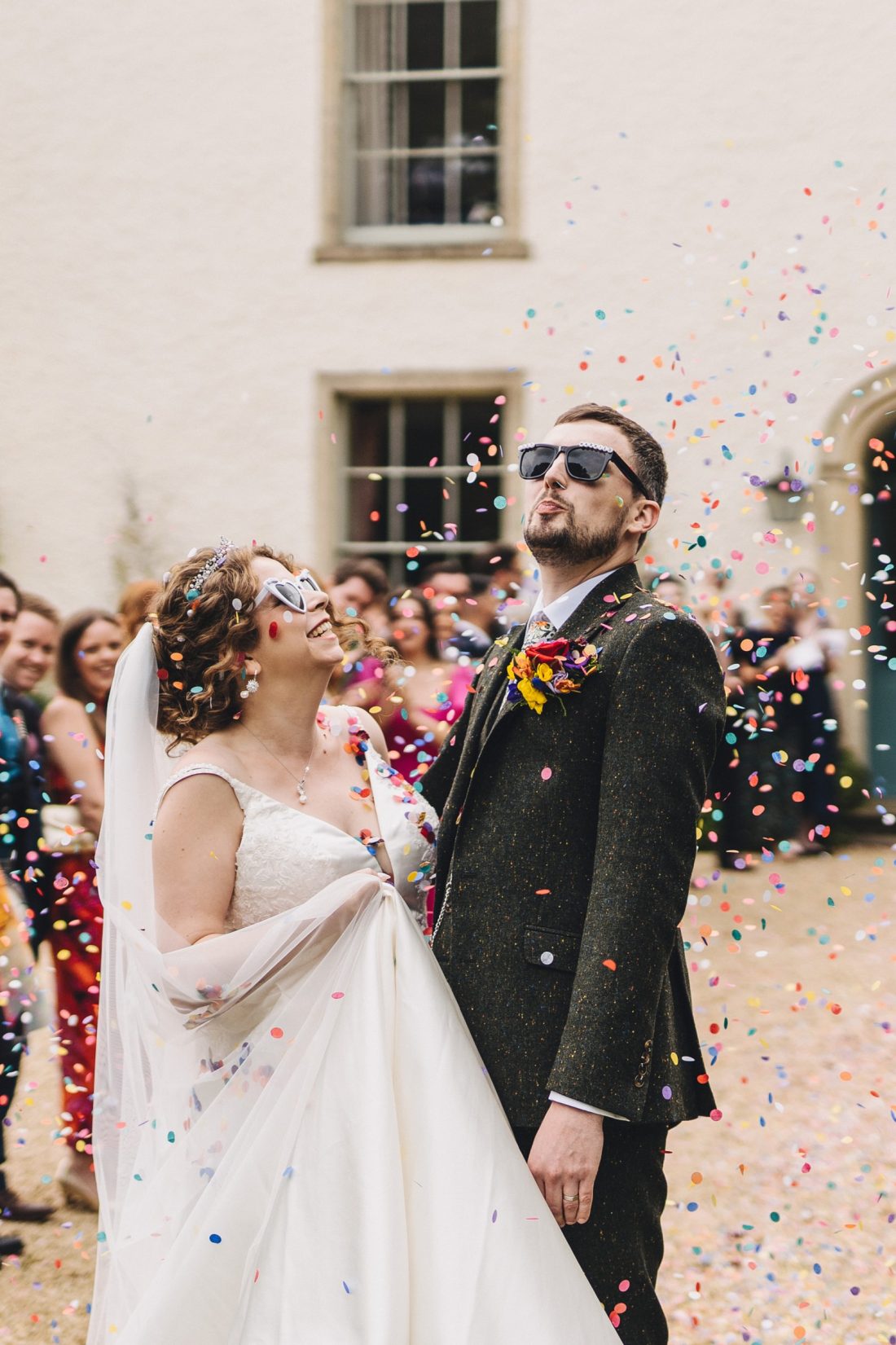
Venues often limit what you can throw (petals only, no paper, no cannons) and where you can throw it (one specific area, away from doors, nowhere near lawns).
Disaster-proof check: a good photographer will quickly find (or create) the best confetti spot with decent light and a clean background, even if the “official” location is awkward.
Dark barns + fairy lights (beautiful… and technically tricky)
Barn receptions are gorgeous, but fairy lights and candles can become a low-light trap if your photographer isn’t confident with fast-changing lighting.
Disaster-proof check: ask how they photograph speeches and dancing in dark rooms, and whether they bring lighting (and how they keep it natural-looking).
Tight schedules + speeches running late
This is the sneakiest one. Hair & makeup overruns, transport delays, guests disappear at the wrong time, and suddenly you’re “behind”, which is where stress (and rushed photos) can creep in.
Disaster-proof check: ask how they handle time pressure. Experienced photographers don’t panic, they prioritise, adapt, and keep the story intact.
Bottom line: venues don’t always set you up for easy photos, but the right photographer plans for those realities, so you can enjoy your day without feeling like you’re constantly “catching up.”

If the worst happens after the wedding (calm recovery steps)
Hopefully you’ll never need this. However, if your photographer goes quiet after the wedding, here’s a practical, low-drama way to handle it (UK-focused).
1) Check what was agreed (first, before panic)
Look at your contract/email trail for:
- delivery timeframes (gallery / previews)
- what counts as “delivered”
- any busy-season wording
Sometimes it’s simply a backlog, but you want to confirm what was promised.
2) Send one clear message that’s easy to answer
Keep it simple and kind, but specific:
- “Can you confirm our delivery date?”
- “Are our files safely backed up?”
- “Please reply by [date, 7 days] so we know where we stand.”
(If you’ve only DMed on Instagram, switch to email too.)
3) If they don’t respond: put it in writing, properly
Send a more formal email titled “Formal request for update – [Your names] wedding [date]” with:
- a short timeline (wedding date, what you’ve received, what you’re waiting for)
- what you want (delivery date OR refund/partial refund OR a clear plan)
- a firm deadline (e.g. 7–14 days)
If they still don’t reply, the next step is a “letter before claim” (Citizens Advice has guidance on what to include).
4) Start securing your evidence (quietly, now)
Save screenshots/PDFs of:
- invoice + payment confirmation
- contract/terms
- email/WhatsApp messages
- any delivery promises (e.g. “8–10 weeks”)
This makes everything easier if you need to escalate.
5) If you paid by card: use the protection available
- Chargeback: often you’ll have around 120 days (commonly counted from when the service was due / you expected delivery), so don’t leave it too late.
- Section 75 (credit card): for purchases over £100 (up to £30,000), your card provider can be jointly liable.
6) Last resort: formal escalation
If nothing works:
- ask Citizens Advice / a solicitor for next-step wording
- consider small claims only after you’ve tried to resolve it (that “letter before claim” step matters).
Quick note: this isn’t legal advice – it’s a practical roadmap so couples don’t feel helpless if a supplier goes silent.

The 60-second disaster-proof checklist
Before you book, make sure you can tick these off:
- 1) A written contract
Clear deliverables, turnaround time, payment terms, and reschedule/cancellation wording.
- 2) An illness / no-show plan
What happens if they can’t attend, and is it written down?
- 3) Backup gear + dual card slots
Two cameras, spare lenses/flash, and photos recorded to two cards at once.
- 4) A proper file-safety workflow
Backed up quickly after the wedding, then archived safely long-term.
- 5) Insurance
Public liability at minimum (many venues require it). Professional indemnity is a bonus.
- 6) Clear communication
How you’ll be updated if anything changes, and who you’ll hear from.
If a photographer can answer these calmly and clearly, you’re already miles away from a wedding photography disaster.
KEY FACTS
Most “wedding photo disasters” are preventable – they usually come down to planning, backups, and clear paperwork.
Non-negotiables to look for: dual-card shooting, backup camera kit, clear contract terms, a real illness/no-show plan, and secure file backups after the wedding.
The best single question to ask: “Where do our files live the day after the wedding, and where do they live a year later?”
If a supplier goes quiet: save your contract and payment proof, ask for a clear update deadline in writing, and escalate calmly if needed.
More helpful reads
- Want the bigger booking guide? 10 tips for booking your wedding photographer
- Want questions to ask on a call? The first coffee with your wedding photographer
- Want to understand styles (quick)? Best guide to wedding photography styles
- Awkward church wedding photography rules? What couples need to know, and are never told
- Rain anxiety? Rainy wedding photos
- Want a physical legacy? Experience the power of a wedding album
Wrap-up: calm photos start with calm systems
A wedding photography disaster isn’t about bad luck – it’s usually about missing safety nets. If your photographer has a clear contract, a real illness plan, backup kit, insurance, and a solid file-safety workflow, you can relax and enjoy your day knowing your memories are protected.
We’re Marta May Photography – also known as The Mays (Marta + Artur). We’ve photographed weddings since 2012, and we’re known for staying calm when things change (rain, dark venues, late timelines). If you’d like to check your date or ask us anything about backups and planning, we’re happy to help.